Periodontology - the study of the tooth-supporting apparatus
Periodontology is the dental discipline concerned with the area around the tooth.
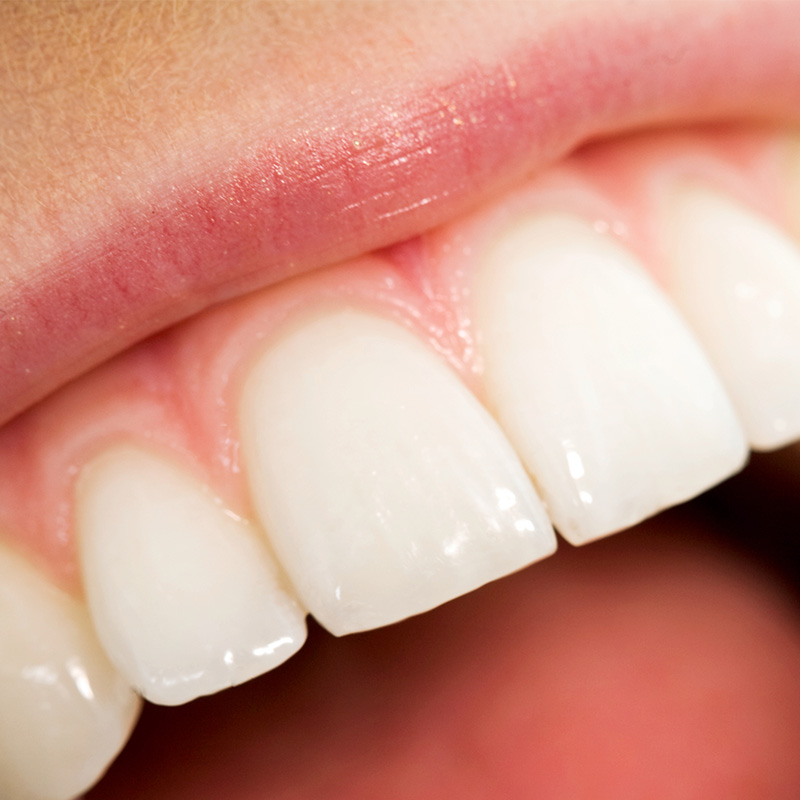
Periodontology is the study of the tooth-supporting apparatus – of everything that surrounds a tooth and holds it in place. In technical terms this region is called the periodontium.
A tooth does not sit rigidly in the bone. It is suspended in it, held by thousands of fine fibres that absorb and distribute the forces of chewing.
What the periodontium consists of
- Gums – the visible seal that closes tightly around the neck of the tooth
- Root cementum – the outermost layer of the root, where the fibres attach
- Periodontal ligament – the suspension between root and bone
- Jawbone – the socket in which the tooth sits
Two clinical pictures
Inflammation of the tooth-supporting apparatus is called periodontitis. While it remains confined to the gums it is known as gingivitis – that stage is reversible, the consequences of periodontitis are not.
What treatment sets out to achieve
The first goal is to stop the inflammation; that is the task of initial therapy. Where bone has already been lost, regenerative treatment can rebuild part of it. After that, aftercare decides whether the result holds.
Causes
The main cause of gingivitis and periodontitis is inadequate oral hygiene. Bacteria accumulate, plaque forms and from it calculus. In time the gums become red, swollen and prone to bleeding.
What makes it worse
Both are encouraged by stress, diabetes and osteoporosis – and particularly often by smoking. Smoking also masks the warning signs: the gums bleed less even though the inflammation continues.
It does not stay in the mouth
The inflammatory substances from the gum pockets reach the rest of the body through the bloodstream. Periodontitis is therefore regarded as a risk factor for cardiovascular disease, it makes blood sugar harder to control in diabetes and is associated with premature birth.
The good news: most periodontal diseases can be controlled with professional treatment and careful oral hygiene.
The key points at a glance
- Periodontitis is a bacterial inflammation of the tooth-supporting apparatus. It destroys bone and is the most common cause of tooth loss in adults.
- It does not hurt. The first signs are bleeding gums, exposed tooth necks and persistent bad breath.
- Treatment proceeds in steps: oral hygiene and risk factors, cleaning below the gum margin, a surgical step where needed, then lifelong aftercare.
- Lost bone does not grow back by itself. The earlier treatment begins, the more is preserved.
Answered briefly
Frequently asked questions
Gingivitis affects only the gum and heals completely. Periodontitis has reached the bone; what is lost there does not return by itself.
Most commonly from middle age onwards, but there are also early and rapidly progressing forms in young people. What matters is not the age but how quickly the supporting tissue is lost.
A dentist with a declared focus or an additional qualification in periodontology. In Germany the term is not a protected specialist title; ask what kind of qualification is meant.